
The BBC Is Working Perfectly
It’s doing exactly what it was built to do

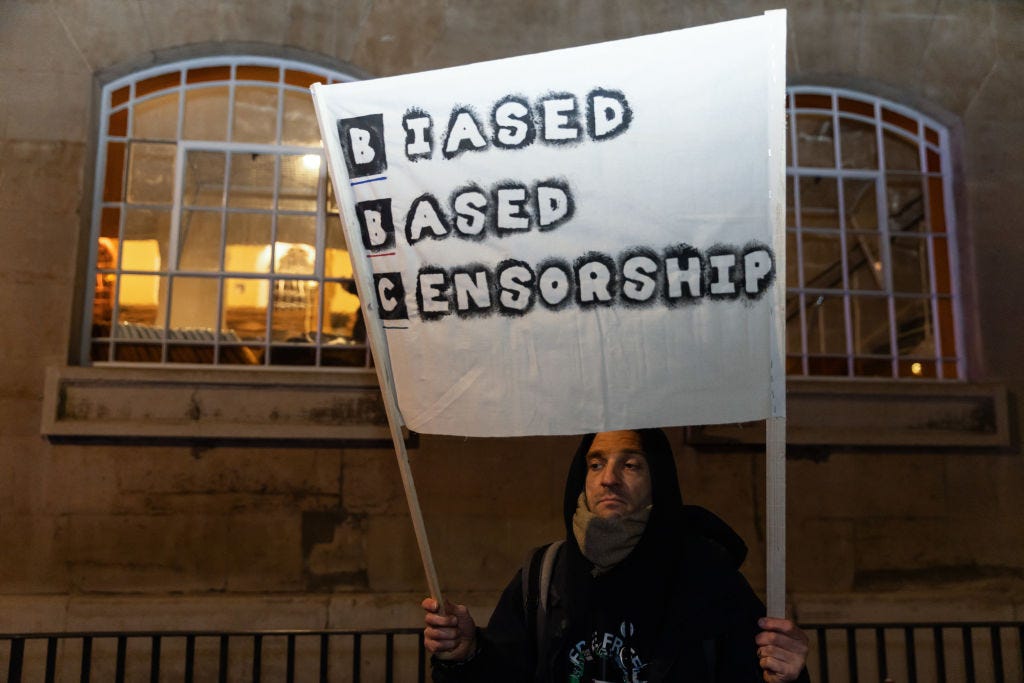
Are you frustrated with the BBC’s coverage of Gaza? Many of us are. See for example this petition – with many high-profile signatories - about the latest decision by the BBC to censor truthful storytelling.
At issue is ‘Gaza: Medics Under Fire’: a documentary by the multi award-winning filmmaker and former head of Channel 4 News Ben De Pear.
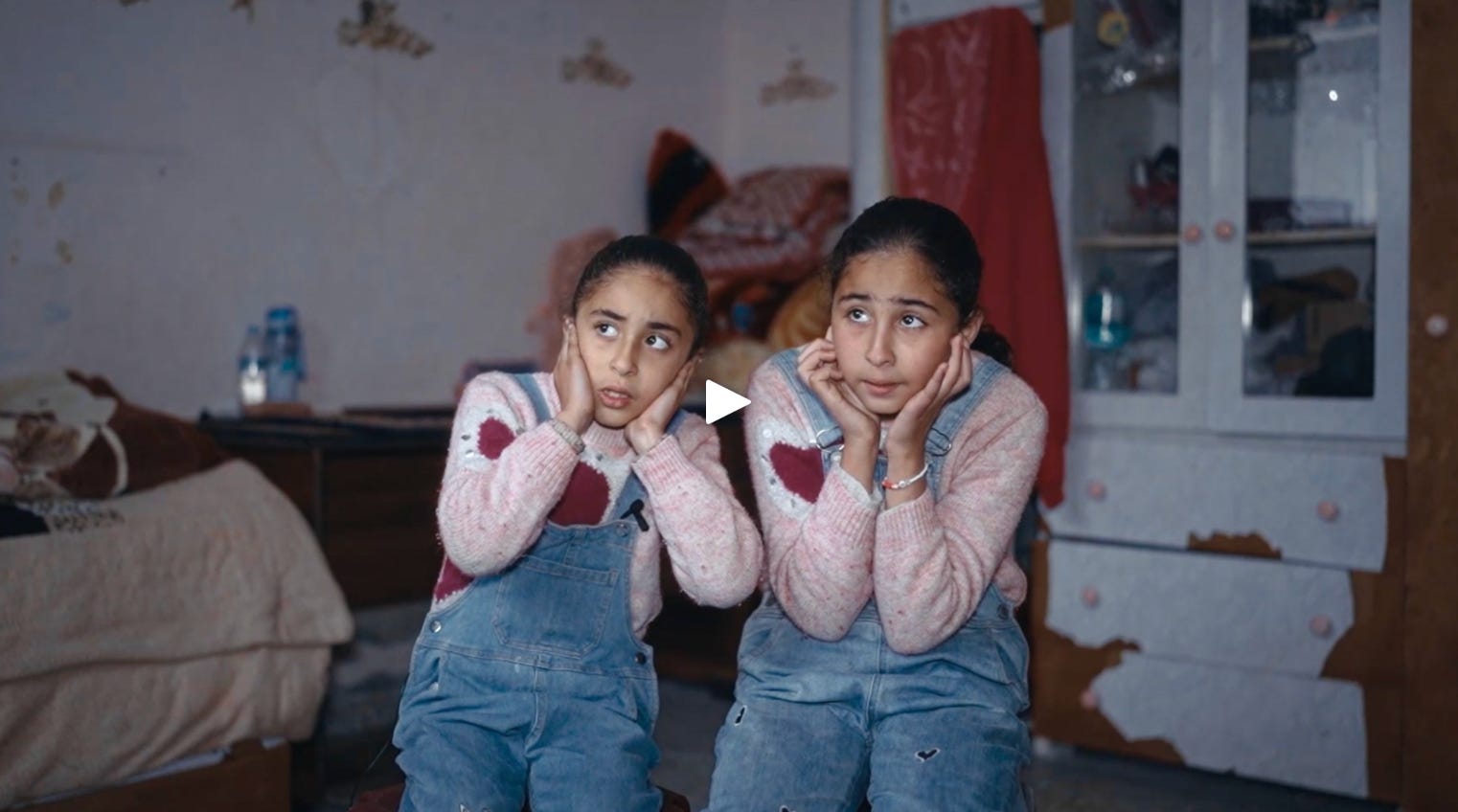
The documentary passed all the BBC’s labyrinthine compliance and editorial standards processes. It has been fact checked and verified. There is no allegation that anything depicted in it is false. Yet it was inexplicably dropped, due to – as the petition alleges – “opaque editorial decisions and censorship… just one in a long line of agenda driven decisions… defined by anti-Palestinian racism.”
I have signed this petition. I agree.
But. I say this as someone who believes deeply in public service broadcasting and would love nothing more than to be able to trust in the BBC… we shouldn’t be at all surprised.
Here’s why.
Origins of the BBC: the context
The BBC’s first official broadcast took place on 14th November 1922. What was Britain like then? Almost all the men involved in creating it - it was overwhelmingly men - had fought in the First World War, by which they were profoundly shaped and traumatised. After the War ended, Europe was pervaded by an atmosphere of civilisational crisis and deep-seated fear about the degeneration of the white race.
Working class people were able to vote en masse for the first time – the 1918 Representation of the People Act expanded the franchise from 8 million, to 32 million. Middle class people were anxious that these newly empowered masses might have radical ideas that would find expression at the ballot box and upset the status quo.
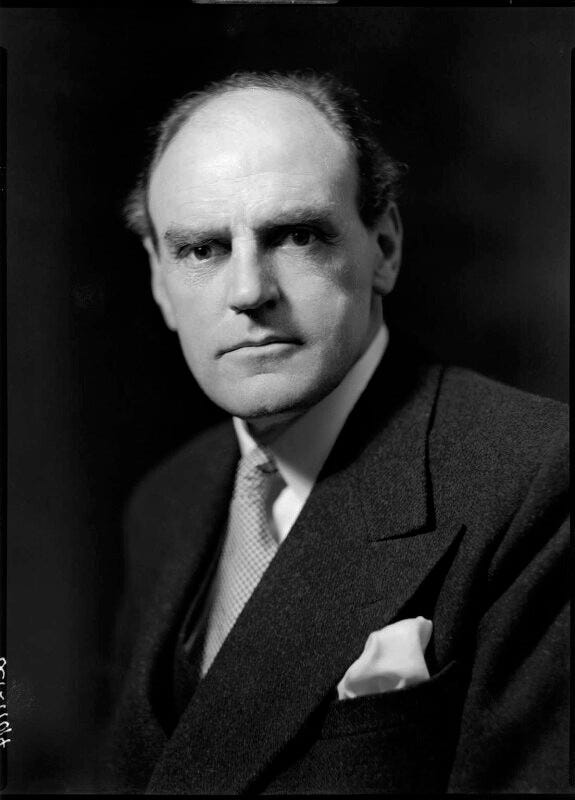
Many of the middle classes, like John Reith, one of the BBC’s main founders, had been raised in a culture of Victorian paternalism and colonial zeal. The British Empire was a civilising project that could Christianise savages, and turn them away from knowledge systems that rivalled Europe’s belief that white people had a monopoly on ingenuity.
And Reith had been a factory manager in Glasgow where, following the Bolshevik Revolution in Russia, men of his class were fearful of organised labour and “disruptive communist activity”. Seeking to shore up the white race and put down communism, these were men who believed a new form of widely accessible education and entertainment could contain the masses, and protect the status quo.
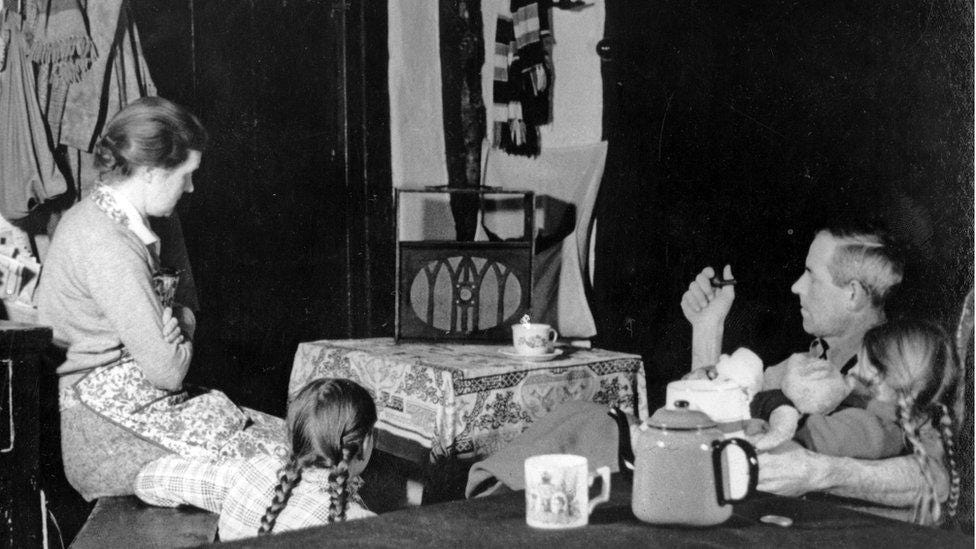
Enter the wireless. Technology that could reach the ordinary working family in their front rooms. Guess what they used it for?
Promoting colonial settler racism is in the BBC’s DNA
Much of the BBC’s early programming was about the British Empire.
There were a few reasons for this:
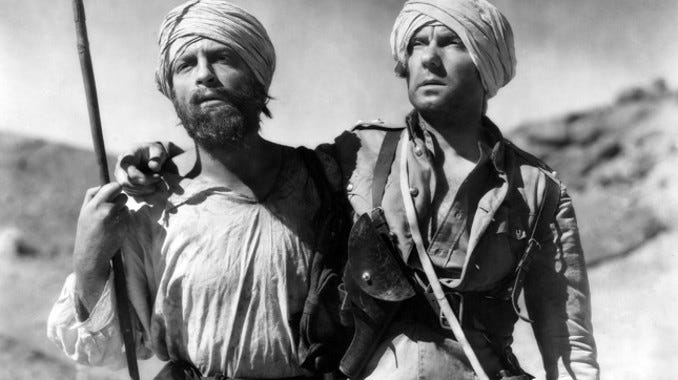
It was entertaining. Plays like the Four Feathers, an adaptation of a racist colonial novel, hooked listeners with tales of white adventure set against the backdrop of imperial adversity, in this case surrounding the events of the Mahdist War fought by General Gordon against the ‘natives’ of Sudan. As the academic Thomas Hajikowski writes, programmes like this “offered a stark contrast between British “civilization” and the “backwardness” and “barbarity” of the colonized world.”
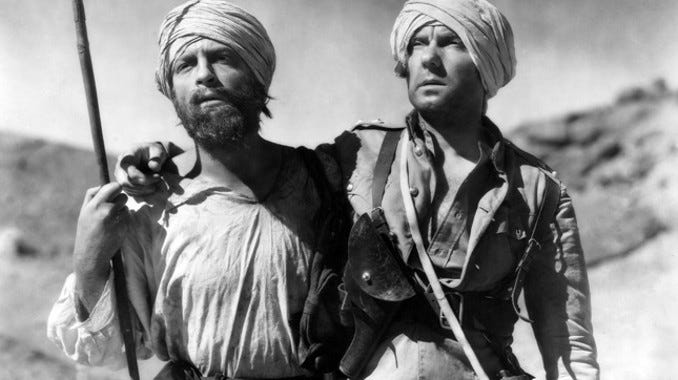
1939 movie adaptation of Four Feathers. Credit: Wikipedia Commons The British Empire was under constant threat from independence movements, who wanted to self govern. Throughout the 1920s and 1930s nationalist agitation in India, West African demands for sovereignty, and the push by the white colonials to assert their own political agendas, raised serious questions about the sustainability of Britain’s global dominance.
The BBC was clear its role was to counter these doubts, and manufacture confidence. People needed to be persuaded there was such a thing as ‘The Empire’, rather than the reality - a disparate range of countries with wildly different cultures and forms of colonial oppression – and that Britain could keep them united.
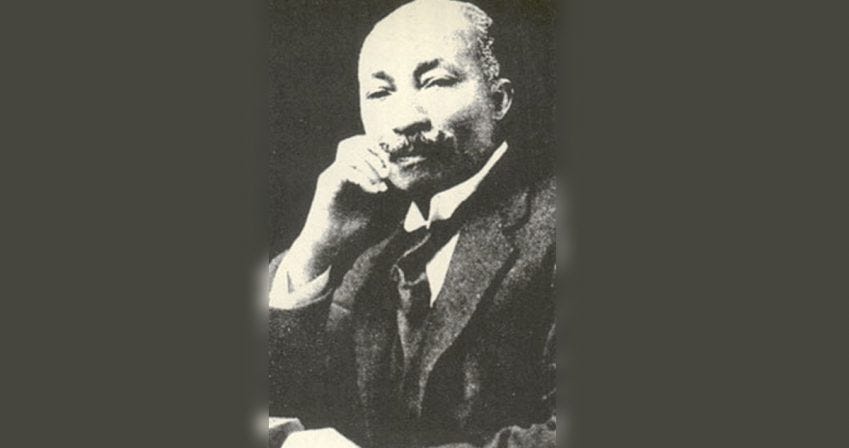
Even so, the agendas were different. White run settler states, or “Dominions” like South Africa, were promoted as examples of how British parliamentary democracy could thrive around the world.
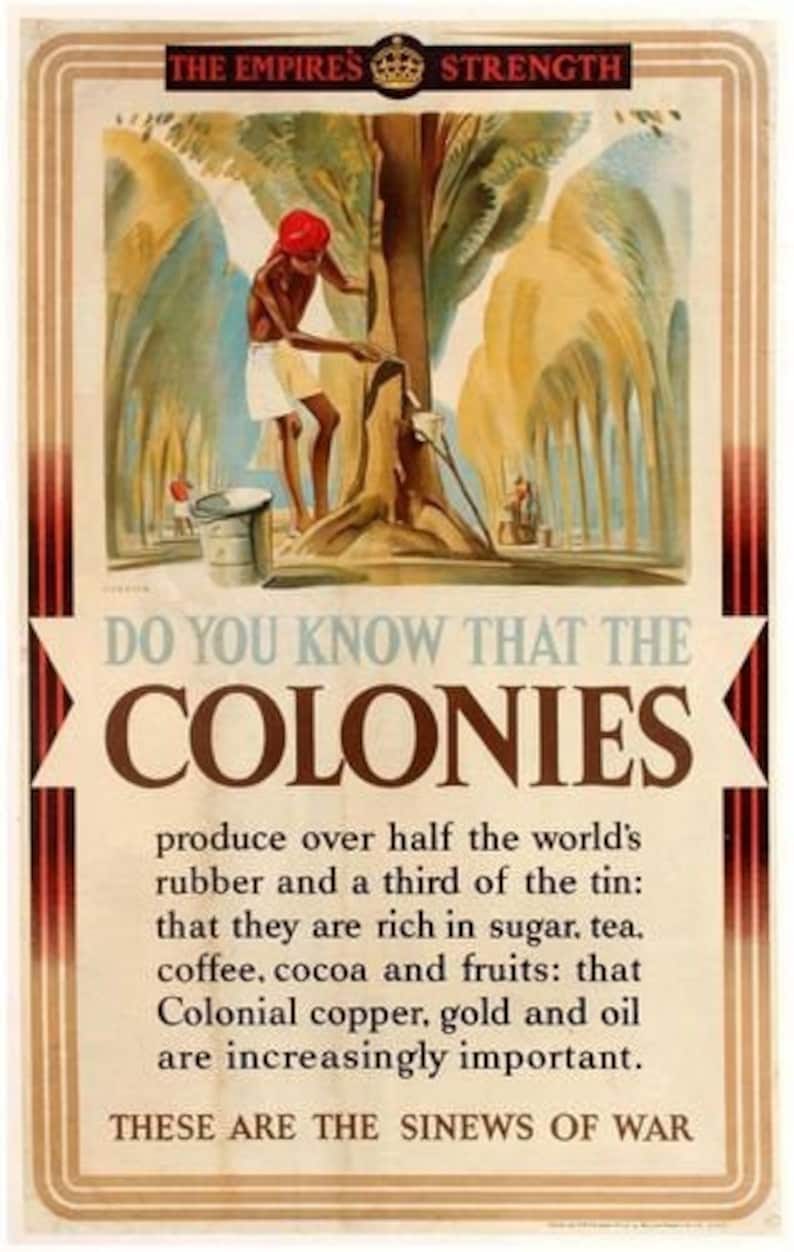
Black and Asian people were not allowed parliamentary democracy. Instead, the project there was a “civilizing mission.” The BBC reminded its audiences that the British had brought law, order, technology, and the “rational” use of resources to the colonies. By rational, they meant industrial exploitation and destruction that sowed the seeds of our current climate crisis.
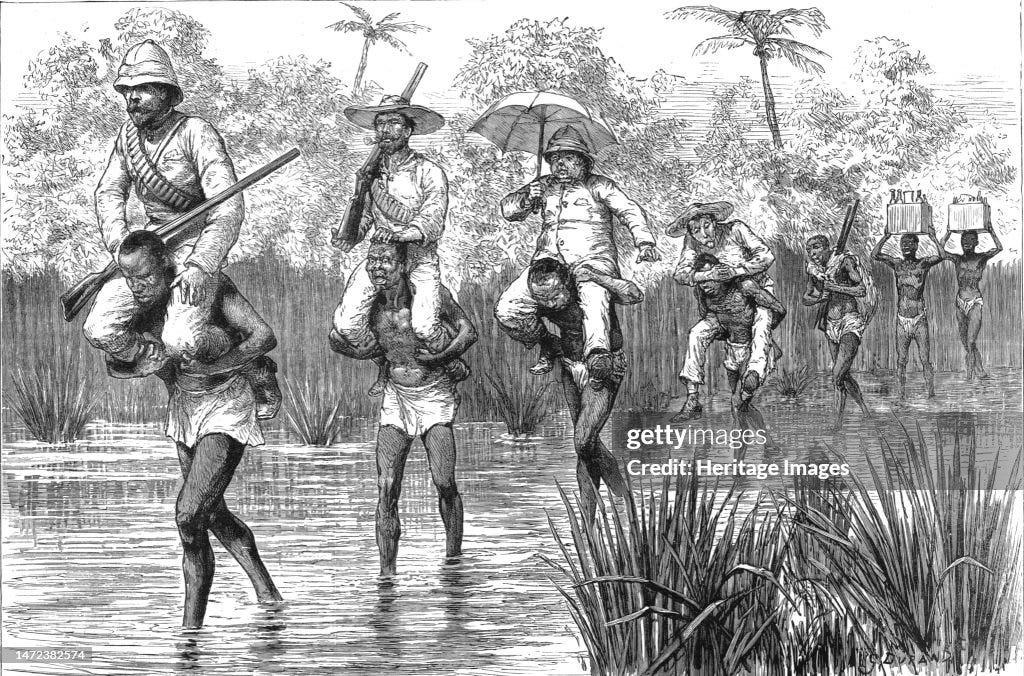
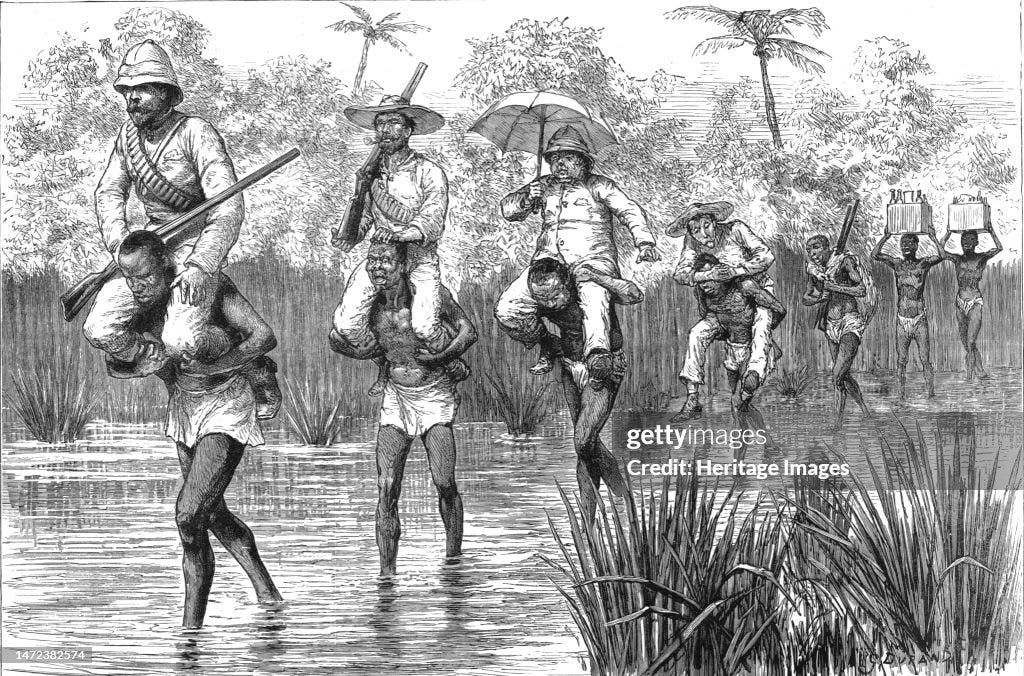
“Shooting in West Africa”, 1890 The Empire needed to sell its shit, and the BBC could help. In 1931 the BBC agreed to launch the “Buy British” campaign and used its Housewives’ News for Empire Marketing Board material.
The BBC wanted people to appreciate that its favourite products came from the Empire, like chocolate.
My ancestors in what was then the Gold Coast, who produced half the world’s cocoa so that British kids could drink hot chocolate were described by the BBC as, and I quote, “bloodthirsty savages.”
If you’re thinking this is ancient history, there are Ghanaians in my own family who told me growing up that if it wasn’t for colonialism, savages would be in charge. Guess that they grew up listening to? The BBC World Service.
Defending racism. For example, in 1936 Reginald Coupland gave a talk “Nations of the Commonwealth,” in which he defended white rule in South Africa because:
“blacks [are not] accepted on an equal footing with the whites … but remember … how difficult it is for an outsider, six thousand miles away, to see all sides of the problem.”
Reminds me a little of people who say you are not entitled to have an opinion on Gaza unless you have spent time in the Middle East studying the academic history of the state of Israel.
Actually, you don’t. Watching a genocide televised is enough to draw basic conclusions that the killing of tens of thousands of civilians is indefensible. And is illegal under international law.
Britain needed to condition its citizens to believe that the Empire was achieved through not through theft, deceit and genocide, but by friendly trade and robust conquest, or else lose the moral high ground. The BBC presented a valuable opportunity to brainwash people, however ludicrous an idea it was.
For example, in 1928, Clifford Collinson gave a series of broadcast talks for schools on empire geography that had nothing to do with history and everything to do with propaganda.
“Let me remind you that the British Empire was not won by fighting. Australia is ours purely by settlement. New Zealand was handed over to us, of their own free will, by the Maoris. South Africa was bought from the Dutch and in Canada the only part that was conquered was Quebec.”
British audiences were given the impression that Indigenous people just loved being slaughtered with maxim guns, having their land seized, their children kidnapped and institutionalised, their cultures and traditions erased.
The BBC made British people feel better about themselves, in an era of geopolitical and economic turmoil.
“People here at home seem to think of the British Empire in vague and muddled terms but, when you actually see with your own eyes these hot and dusty Islands and ports, with the good old Union Jack waving in the wind from the top of the flagstaffs, you simply can’t help feeling a thrill go right through you, and it makes you jolly proud you are a Britisher.”
-Clifford Collinson
Just general, white supremacist racism and misogyny. In 1932 the BBC broadcast Africa Shrieks, a:
“burlesque of the jungle talkie … crammed full of tigers, pythons, Masai, crocodiles, pygmies and so on, with maybe a native being eaten by lions.
It also broadcast Ernest Longstaffe’s Ninety Days Leave, set in “Dhustipore”:
“one of those hill stations on the fringes of fiction—all full of sahibs, punkah wallahs, chotah pegs, tiffin and brave little women”.
I can, and perhaps will, write a whole other post proving how enduring these racist stereotypes still are, and how often they still show up in British culture.
Promoting the government’s agenda. One of the earliest successful broadcasts on the BBC was a O’Flaherty, VC, a George Bernard Shaw play, read by the playwright live on air. One of the BBC founders Cecil Lewis said it was the best thing that had ever been broadcast.
But Shaw was not to return. He protested that the BBC was practising censorship, and he could not speak freely on air. And he was right.
From its official transformation into a Corporation 1927, the BBC agreed to abstain from ‘topics of political, religious or industrial controversy’. Then it entered various official agreements that implicitly banned it from discussing matters of controversy on air.
It sought permission from No. 10 Downing Street before political broadcasts, and the Postmaster General could refuse to renew its licence if it transgressed into territory the government didn’t like.
Even hiring personnel precluded the merest hint of open-mindedness. Early job interviews would involve Reith striding around the room asking questions like ‘Do you accept the fundamental teachings of Jesus Christ?’
Looking at this origin story, you might feel amazed we would ever expect fairness from an institution built to pacify our natural sense of moral justice against violence, prejudice and exploitation.
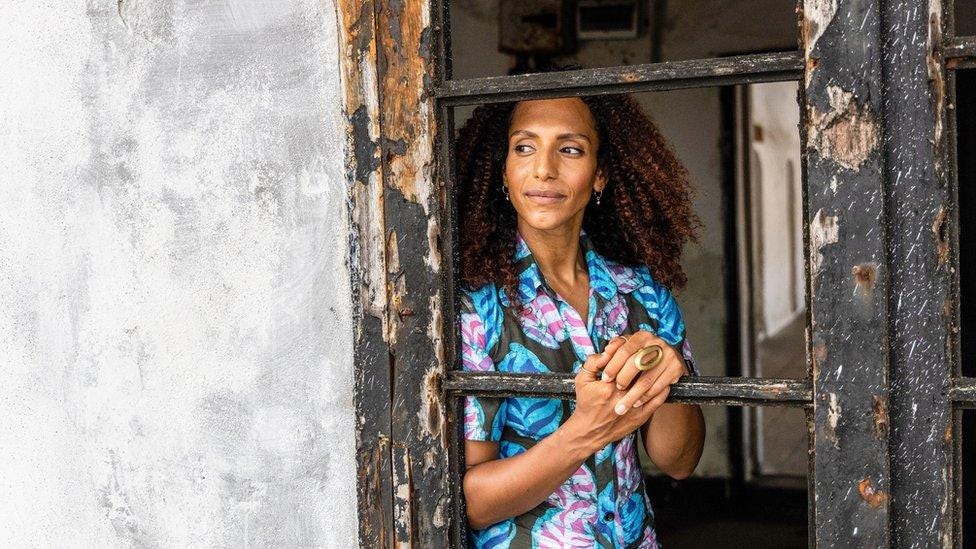
This is not to say that the BBC doesn’t broadcast content that speaks to truth and even directly confronting aspects of the history I’ve just outlined. There are many brilliant journalists and programme makers who do just that. I have personally presented two separate series of history docs exploring histories of colonialism and slavery on the BBC.
It’s hard to have a media career in the UK and avoid the BBC. And why would you want to? The mandate of public service broadcasting is about taking part in this society through sport, entertainment and culture, and becoming educated enough to have an informed national conversation. In the past, I would have always said I critique it out of love.
But can you really love something if you don’t know what it really is? Despite having worked with the BBC in some capacity most of my adult career, I have had to look hard to find its origin story, and the historical roots of its own culture and mission. This history is hard - very hard even - to find.
This post has drawn heavily on the work of two scholars: BBC: A People’s History, by David Hendy, Professor of Media at Sussex, and The BBC and national identity in Britain, 1922-53 by Thomas Hajkowski.
In my next newsletter, I’ll be drawing on my own experience, observations and analysis to remind show how, with five examples, the BBC is still built to fail us on race, free speech and fairness.